


Tutti i prodotti
-
Protezione dalle radiazioni nucleari
-
Rivelatore di radiazione nucleare
-
Protezione di rame della stagnola
-
La rf ha protetto le porte
-
La rf ha protetto Windows
-
Vetro al piombo di radioprotezione
-
Kit di utensili non magnetico
-
La rf ha protetto la camera
-
Sfiatatoi della guida d'onda del favo
-
Nastro di rame adesivo conduttivo
-
Rete metallica di filo di rame
-
Vetro al piombo a raggi X
-
EMI Shielding Gasket
-
Tessuto elettricamente conduttivo
-
Porta di radioprotezione
-
Radioprotezione X Ray
-
RMI della gabbia di Faraday
-
Lana del filo di rame
-
Illuminazione di RMI LED
-
Sedia a rotelle non magnetica
-
Barella non magnetica
-
 AnasLo sfiato d'ottone del favo guarda molto Nizza
 -
 SatheeshLe porte di MRI/RF stanno splendendo con le maniglie, grazie il mio amico.
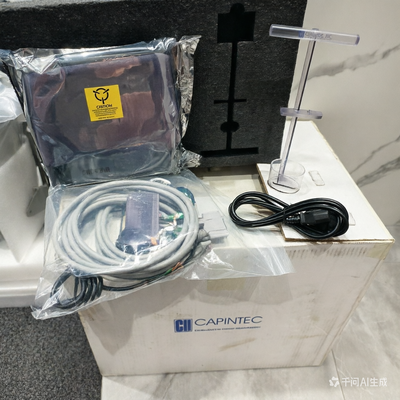
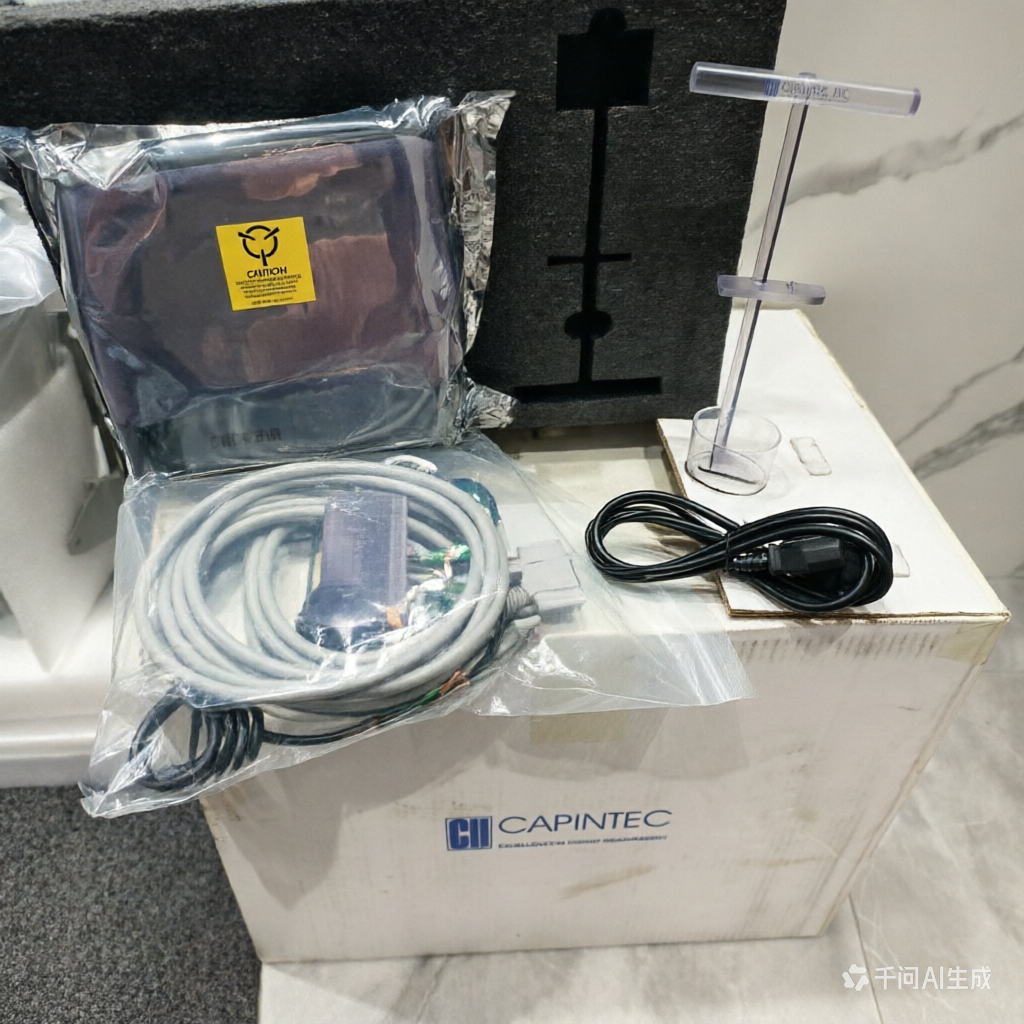
Calibratore di dosi a celle calde ad alta precisione per traccianti PET e SPECT
Dettagli
| Temperatura operativa | Da -20°C a 50°C | Risposta energetica | 50Kev~5Mev |
|---|---|---|---|
| Gamma di prova | ≥5Ci | Tipo di raggi | α+β/α/β |
| Intervallo di dose cumulativo | 0,1 μSv ~ 10 Sv | Tasso di equivalenza posologica | 00,0099999μSv/h (massimo 100 mSv/h) |
Descrizione di prodotto
Calibratore di dosi a celle calde ad alta precisione per traccianti PET e SPECT
Introduzione del prodotto
The High-Accuracy Hot Cell Dose Calibrator is specifically optimized for the unique demands of PET (positron emission tomography) and SPECT (single-photon emission computed tomography) tracer preparationGli isotopi del PET quali F-18 (emivita 110 minuti), Ga-68 (68 minuti) e Cu-64 (12,7 ore) richiedono un rapidomisurazione accurata perché le loro brevi emivite significano che anche brevi ritardi si traducono in calcoli significativi di correzione del decadimento. This dose calibrator combines fast response time — stable readings in under 3 seconds — with high accuracy (±3% for PET isotopes) to ensure that each patient receives the prescribed activity at the time of injectionLo strumento è ugualmente in grado di utilizzare traccianti SPECT, tra cui Tc-99m (6 ore) e I-123 (13,2 ore), in cui la precisione delle misurazioni ha un impatto diretto sulla qualità dell'immagine e sull'accuratezza della diagnosi.
Gamma di applicazione
Questo calibratore è progettato per i reparti PET/CT, SPECT/CT e centri di imaging ibridi che utilizzano entrambe le modalità.Le applicazioni primarie includono la misurazione delle dosi di F-18 FDG per l'imaging oncologico, per quantificare il Ga-68 DOTATATO per l'imaging dei tumori neuroendocrini e per verificare l'attività del tracciante Cu-64 per gli studi PET sul metabolismo del rame.il calibratore misura Tc-99m eluati dai generatori, verifica i composti contrassegnati con Tc-99m (MDP, sestamibi, MAG3, ecc.) e quantifica le capsule di I-123 NaI per l'imaging della tiroide.Lo strumento supporta anche applicazioni teranostiche in cui gli isotopi di PET vengono utilizzati per la pianificazione del trattamento prima della terapia con Lu-177, Y-90 o Ac-225. Altre applicazioni includono la misurazione del rendimento di radiomarcatura durante la sintesi del tracciante, la verifica delle concentrazioni di attività per i campioni di controllo qualità,e eseguire calcoli di correzione di decadimento per protocolli di imaging con ritardo temporale.
Prestazioni e benefici
The High-Accuracy Hot Cell Dose Calibrator achieves measurement stability in as little as 2 seconds for F-18 — critical for PET workflows where each minute of measurement time reduces the activity available for the patient due to radioactive decayAd esempio, un ritardo di misura di 5 secondi in una dose di F-18 potrebbe sembrare banale, ma oltre 50 dosi al mattino, la perdita di decadimento cumulativa potrebbe essere equivalente a un'intera dose del paziente.La risposta rapida di questo strumento massimizza l'attività utile fornita ai pazientiL'accuratezza del calibratore per gli isotopi di PET è migliorata dall'elettronica a compensazione di energia che tiene conto correttamente della radiazione di annientamento prodotta dagli isotopi che emettono positroni.Molti calibratori di dosi standard rispondono troppo o poco a questi fotoni ad alta energia, ma la calibrazione ottimizzata di questo strumento offre una precisione del ±3% per F-18, Ga-68 e altri emittenti PET.l' utente inserisce l' attività desiderata e l' ora di somministrazioneQuesta funzione elimina i calcoli manuali di correzione del decadimento, che sono una fonte comune di errori di dosaggio nei centri PET molto frequentati.Per gli isotopi SPECT, il calibratore mantiene un'accuratezza del ±5% in tutte le attività da 0,1 mCi a 10 Ci. La funzione di variazione automatica seleziona automaticamente l'intervallo di misura appropriato,e la taratura specifica del nuclide garantisce che una lettura Tc-99m di 20 mCi rifletta correttamente l'attività effettivaIl display a distanza mostra sia la misurazione corrente che l'attività corretta per decadimento al momento della somministrazione prevista.consentire al tecnico di confermare che la dose sarà corretta per la fascia di appuntamento del pazienteLo strumento include la registrazione dei dati e l'uscita della stampante per la registrazione delle dosi, e la sua camera resistente alla corrosione resiste alla decontaminazione quotidiana.i principali benefici sono una migliore cura del paziente attraverso un dosaggio preciso, ridotto gli sprechi perché meno radiofarmaci vengono scartati a causa di errori di misura e un flusso di lavoro più rapido che consente di programmare più pazienti.Le prestazioni ottimizzate del calibratore per i traccianti PET lo rendono particolarmente utile per i centri ad alto volume
Prodotti raccomandati
