


Tutti i prodotti
-
Protezione dalle radiazioni nucleari
-
Rivelatore di radiazione nucleare
-
Protezione di rame della stagnola
-
La rf ha protetto le porte
-
La rf ha protetto Windows
-
Vetro al piombo di radioprotezione
-
Kit di utensili non magnetico
-
La rf ha protetto la camera
-
Sfiatatoi della guida d'onda del favo
-
Nastro di rame adesivo conduttivo
-
Rete metallica di filo di rame
-
Vetro al piombo a raggi X
-
EMI Shielding Gasket
-
Tessuto elettricamente conduttivo
-
Porta di radioprotezione
-
Radioprotezione X Ray
-
RMI della gabbia di Faraday
-
Lana del filo di rame
-
Illuminazione di RMI LED
-
Sedia a rotelle non magnetica
-
Barella non magnetica
-
 AnasLo sfiato d'ottone del favo guarda molto Nizza
 -
 SatheeshLe porte di MRI/RF stanno splendendo con le maniglie, grazie il mio amico.
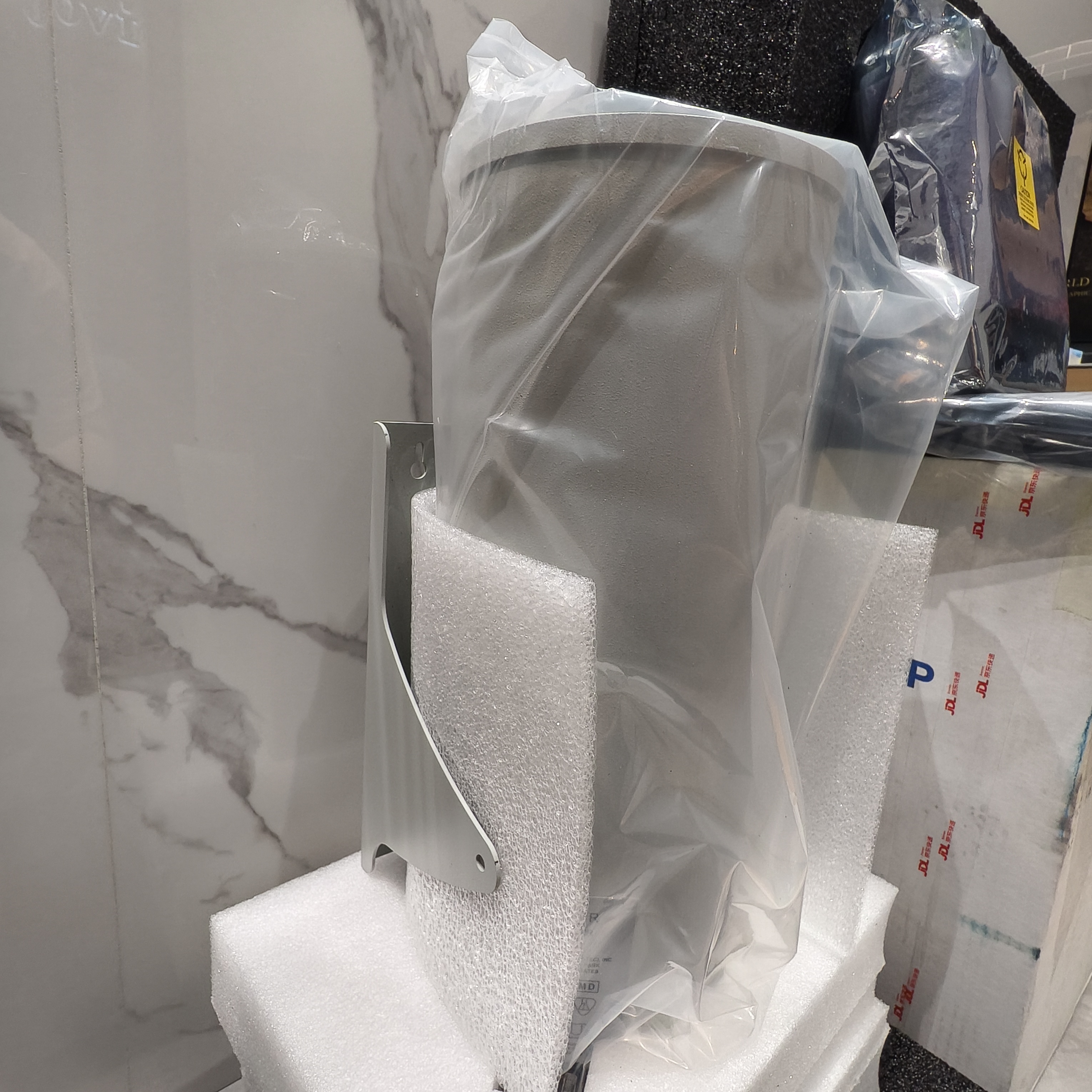
Calibratore di dose a canale singolo dedicato al dosaggio con siringa a cella calda
Dettagli
| Intervallo di misurazione | Da 0,01 µSv/h a 10 Sv/h | Intervallo di energia dell'immagine | 50 keV – 1500 keV |
|---|---|---|---|
| Tipo di rilevamento | Alfa, Beta, Gamma, raggi X. | Area della finestra di rilevamento | 75 cm² |
| Intervallo di dosaggio | 10⁻⁶Gy/h-10Gy/h | Temperatura di conservazione | -20°C - 50°C |
Descrizione di prodotto
Calibratore di dose a canale singolo dedicato al dosaggio con siringa a cella calda
Introduzione al prodotto
Il calibratore di dose a canale singolo è uno strumento specializzato ottimizzato per un unico compito: misurare l'attività radiofarmaceutica in siringhe preriempite. A differenza dei calibratori generici che devono contenere fiale, capsule, pillole e siringhe, questo strumento è progettato esclusivamente per siringhe. Il design a canale singolo semplifica il funzionamento, riduce i costi e raggiunge una precisione di misurazione superiore per le geometrie delle siringhe. La camera di ionizzazione è sagomata per accettare siringhe standard da 1 ml, 3 ml, 5 ml e 10 ml, con una profondità che posiziona la punta della siringa (dove risiede la maggior parte della soluzione radioattiva) nel punto di misurazione ottimale. Lo strumento non include funzionalità non necessarie, il che lo rende ideale per celle calde in cui la misurazione con siringa è l'attività principale.
Gamma di applicazione
Il calibratore di dose a canale singolo è progettato per i reparti di medicina nucleare che preparano la maggior parte delle dosi dei pazienti in siringhe: è il caso praticamente di tutti i centri PET/CT, della maggior parte dei reparti SPECT/CT e di molti programmi terapeutici. Le applicazioni primarie includono la misurazione delle dosi di F-18 FDG per PET/CT, la quantificazione di composti marcati con Tc-99m (MDP, sestamibi, MAG3, ecc.) per studi SPECT, la verifica delle dosi di Ga-68 DOTATATE per l'imaging di tumori neuroendocrini e la misurazione delle dosi di Lu-177 per PRRT quando somministrate tramite siringa. Lo strumento è altrettanto prezioso per il controllo di qualità delle procedure di riempimento delle siringhe, verificando che i sistemi di distribuzione automatizzata forniscano l'attività corretta e misurando l'attività residua nelle siringhe vuote dopo la somministrazione al paziente.
Prestazioni e vantaggi
Il calibratore di dose a canale singolo raggiunge una precisione specifica per la siringa di±3%— migliore del ±5% tipico dei calibratori per uso generale che misurano le siringhe. Questa maggiore precisione è ottenuta attraverso tre caratteristiche di progettazione. Innanzitutto, la geometria della camera di ionizzazione è ottimizzata per la forma della siringa, con la sensibilità concentrata sulla punta dove si accumula la maggior parte della soluzione radioattiva. In secondo luogo, lo strumento utilizza fattori di calibrazione specifici della siringa derivati da misurazioni effettive di siringhe standard riempite con ciascun isotopo, piuttosto che fattori generici basati sulle geometrie delle fiale. In terzo luogo, il posizionamento del campione è ripetibile: un arresto meccanico garantisce che ciascuna siringa sia inserita esattamente alla stessa profondità, eliminando una fonte comune di variabilità. Il tempo di risposta è scaduto3 secondiper le dosi paziente tipiche (5–20 mCi) e la funzione di regolazione automatica copre le attività daDa 0,1 mCi a 2 Ci. Il display mostra l'attività in mCi o MBq con cifre grandi e facili da leggere, con un avviso acustico al termine della misurazione. Lo strumento include una libreria integrata di fattori di calibrazione della siringa per tutti i comuni isotopi medici: F-18, Ga-68, Tc-99m, I-123, I-131, Lu-177 e Y-90. Per ciascun isotopo, la libreria include fattori per più marche e dimensioni di siringhe (1 ml, 3 ml, 5 ml, 10 ml) e gli utenti possono aggiungere fattori personalizzati per applicazioni specializzate. Il sistema di registrazione dei dati memorizza fino a500 misurazioni con siringacon metadati completi e la porta USB supporta l'esportazione verso i sistemi informativi del laboratorio. Una stampante opzionale produce etichette per le cartelle cliniche dei pazienti. Il design a canale singolo offre numerosi vantaggi pratici. Lo strumento è più piccolo dei calibratori per uso generale e richiede meno spazio sul banco all'esterno della cella calda. È più semplice da utilizzare, con meno controlli e meno formazione richiesta. In genere è meno costoso, il che lo rende attraente per i dipartimenti con vincoli di budget. Inoltre, poiché è dedicato a una singola applicazione, non vi è alcun rischio di utilizzare l'impostazione sbagliata della geometria, una fonte di errore comune con gli strumenti generici. Per i centri PET con volumi elevati che misurano centinaia di siringhe ogni settimana, il calibratore di dose a canale singolo offre la combinazione ottimale di accuratezza, semplicità e valore. Eliminando le funzionalità non necessarie per la misurazione con siringa, lo strumento si concentra sul fare una cosa eccezionalmente bene. I reparti di medicina nucleare che abbinano questo calibratore dedicato alla siringa con un calibratore separato dedicato alle fiale ottengono una migliore precisione complessiva rispetto all'utilizzo di un unico strumento generico per entrambe le geometrie.
Prodotti raccomandati
